Meet the Councilor | Luis Santamaria-Babí, PhD
For more than 3 decades, Dr. Santamaria-Babí has focused his research on the human cutaneous immune system, with particular emphasis on the functional relevance of circulating CLA⁺ memory T cells in atopic dermatitis and other chronic inflammatory skin diseases. In parallel, he is actively involved in undergraduate and postgraduate teaching at the University of Barcelona in clinical immunology, immunopharmacology, knowledge transfer, and biomedical research in pharma industry. How does your personal or professional vision and mission align with the IEC mission and vision?As a clinical scientist working in translational research, I focus on severe patients to unravel clinically relevant mechanisms, mode of action of innovative therapies, and patient heterogeneity in terms of molecular presentation of the disease. What is your proudest accomplishment in the atopic dermatitis (AD) space?During the last 3 decades I have been investigating AD from the cutaneous immune system perspective focusing on circulating CLA+ memory T cells. This is a translational approach that bridges pathological mechanism with patient's clinical feature. Human circulating CLA+ memory T cells play a key role in AD. What do you value most about being involved with the IEC?What I value most about being involved with the IEC is the opportunity to learn from and connect with an inspiring community of global experts and clinicians in atopic dermatitis. The collaborative environment, high-quality educational activities, and exchange of diverse perspectives continually motivate me. Having seen the IEC grow since its early days, I am proud to be part of an organization that meaningfully advances knowledge, fosters collaboration, and helps translate innovation into better care for patients worldwide. What do you think will garner the most attention over the coming year in the AD field?Better understanding of patient's endotypes and identification of functional biomarkers that can be of use to stratify patients to select the most useful advanced therapy in moderate-severe cases. What do you see as the biggest need among AD patients?Identifying treatments that not only control diseases symptoms, but that interfere with the natural history of AD, modify disease, and induce remission. Describe a professional experience that you won’t forget because of how it impacted your specialty or the way you practice.When I was proposed to study human circulating CLA+ memory T cell subset in atopic dermatitis patients. I was a PhD student just arrived to the Magic Mountains in Davos. Professors Conrad Hauser, Kurt Blaser, and Louis K. Picker made a gift that has marked my whole professional career. Seeing how the knowledge of these cells has evolved in AD and in other T-cell mediated cutaneous chronic inflammation is amazing, and it is very helpful for translational research in clinic and therapies. What’s the most recent good thing you watched, listened to, or visited?I love spending time in the forest and mountains. This makes me feel I am part of the nature where everything started. Taking photos there to capture that essence is great—a bit of art to balance science. |
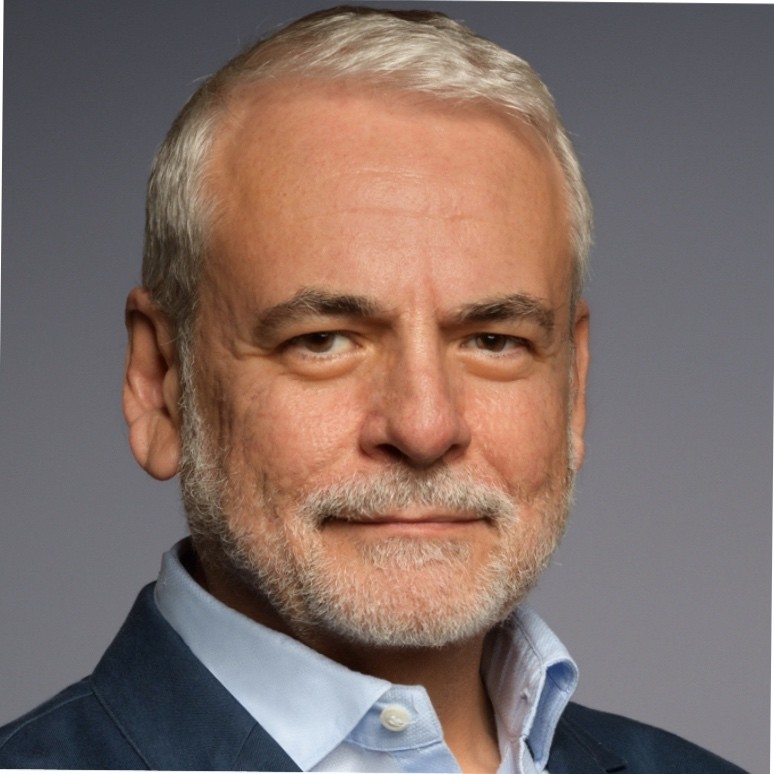 IEC Councilor Luis F. Santamaria-Babí, PhD, is full professor of clinical and translational immunology at the University of Barcelona, where he directs a research group at the Barcelona Science Park focused on human translational immunology in chronic inflammatory skin diseases. He also serves as external consultant to the Dermatology Service at Hospital del Mar.
Latest News
Announcements
The International Eczema Council is happy to announce its new three-year Strategic Plan. This in-depth process involved IEC leadership, Councilors, Associates and Industry Partners as we sought input through surveys and other methods.
Upcoming Events
Wed Nov 11, 2026IEC Virtual Education Webinar on Reducing the Use of Systemic Corticosteroids in Atopic Dermatitis Category: IEC Events (for everyone) |
Wed Nov 18, 2026IEC Virtual Education Webinar on Practical Tips for Integrating Advanced Systemic Agents for AD Into Practice Category: IEC Events (for everyone) |
View Full Calendar
Join Us on Social Media